Pest Control Services in Sussex County for Stinging Insect Nests
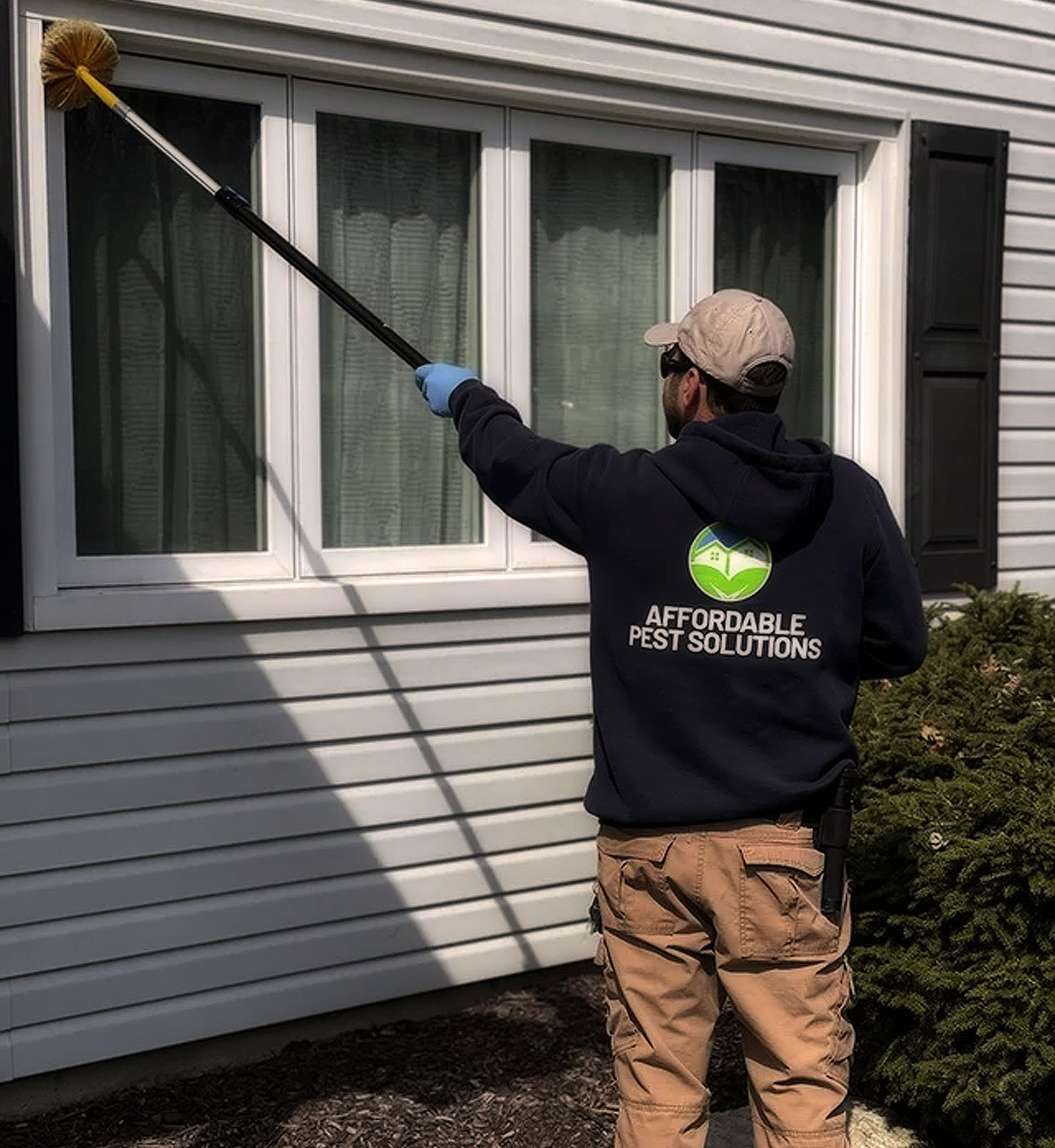
When a homeowner in Sussex County spots a stream of yellowjackets slipping under siding or hears a steady, papery scratching in the soffit above a porch, the problem has already moved past nuisance level. Stinging insects build fast, defend hard, and choose nest sites that put people in the line of fire, near entry doors, decks, rooflines, attics, playgrounds, and utility boxes. What starts as a few insects around the eaves in June can become a serious hazard by late summer, especially in a household with children, pets, older adults, or anyone with a sting allergy.
That is where professional pest control matters. Stinging insect work is not just about applying a product and walking away. It involves identifying the species, reading the structure, judging the size and maturity of the nest, anticipating insect behavior at the time of service, and removing the immediate threat without creating a bigger one. The right approach in Sussex County depends on the insect, the season, and where the colony has settled.
Why stinging insect nests become a serious property issue
People often underestimate nest activity because the first signs can look minor. A few wasps on a fence line, a couple of hornets around the gutter, maybe bees working a flowering hedge. The trouble is that not all visible activity reflects the real size of the colony. Yellowjackets, for example, can disappear into an opening no wider than a pencil. Behind that opening there may be a nest holding hundreds, sometimes far more by peak season. A nest tucked behind shutters or inside a wall cavity can stay hidden until someone disturbs it with a mower, ladder, hedge trimmer, or even a slammed door.
In Sussex County, where many homes have a mix of wooded edges, open lawns, sheds, crawl spaces, and older exterior finishes, nesting options are everywhere. The county’s warm months support rapid colony growth. By midsummer, service calls tend to rise for aerial nests in trees and shrubs, ground nests near walkways, and colonies entering voids around fascia boards, gable vents, and window frames. Late summer is usually when behavior becomes less forgiving. Food demands rise, colonies are larger, and foraging workers turn more aggressive around trash, sugary drinks, grills, and outdoor seating.
The risk is not only the sting itself. Repeated stings can trigger panic responses that lead to falls from ladders, car accidents in driveways, or injuries from people running blindly through yards. For anyone with a known allergy, a single sting can become a medical emergency. Even without an allergy, multiple stings from yellowjackets or hornets can require prompt care.
The species matters more than most people realize
A professional does not treat every flying stinging insect the same way because they do not behave the same way. Honey bees, paper wasps, bald-faced hornets, yellowjackets, and solitary wasps all call for different judgment.
Paper wasps are often the first ones homeowners notice because their nests are exposed. You may find a small umbrella-shaped comb under a handrail, porch ceiling, playset, or Pest Control Services Sussex County light fixture. These nests start small and are easier to address early. Paper wasps can be defensive, but they are usually less explosive than yellowjackets when a nest is approached carefully and treated correctly.
Yellowjackets cause some of the most difficult calls. They nest in the ground, in retaining wall gaps, under landscape timbers, and inside structural voids. Ground nests are especially dangerous because lawn activity can trigger an immediate swarm. Unlike insects that give a warning buzz and back off, yellowjackets often defend in numbers and pursue the perceived threat well beyond the nest site.
Bald-faced hornets build the large gray paper nests that hang from limbs, shrubs, and occasionally structures. They are visually obvious, which helps with locating them, but that does not make them safer to remove. A mature aerial nest can hold a substantial population, and hornets defend the envelope aggressively when disturbed.
Honey bees require a separate conversation. They are beneficial pollinators and, in many situations, deserve a preservation-minded response. A swarm resting on a branch is different from an established colony in a wall. The challenge is that people often call every striped flying insect a bee, when the problem is actually wasps or yellowjackets. Correct identification prevents poor decisions, such as sealing a wall opening with active yellowjackets inside or spraying an insect that should be handled by a beekeeper.
What professional inspection looks like on a real property
The inspection is where competent service distinguishes itself from guesswork. A trained technician is not just looking at where insects are visible. The goal is to locate travel routes, entry points, secondary activity, and structural conditions that support nesting.
On a typical Sussex County home, that may mean watching flight patterns for several minutes from a safe distance. It may mean checking whether insects are entering at the bottom of a corner post but exiting higher up near a roof return. It may mean examining a deck where gaps in fascia create hidden voids. Sometimes the nest is not where the homeowner thinks it is. One family may report wasps around a second-floor bedroom window, but the true colony is entering near a soffit vent ten feet away and using the wall cavity as sheltered access.
Detached sheds and barns often present a different challenge. Open rafters and undisturbed upper corners are common nesting sites for paper wasps and hornets. Ground nests also show up around outbuildings where lawn edges, stacked firewood, and rodent burrows create ideal cavities. In older properties, voids behind loose siding or around abandoned utility penetrations can shelter entire colonies.
Good inspection also takes into account the people using the space. A nest beside a back Pest Control Services Sussex County gate used once a week is a different priority from a nest over the front door of a home with young children. Service planning should reflect that.
Why do-it-yourself treatment often goes wrong
Most failed do-it-yourself attempts follow a familiar pattern. Someone sees steady insect traffic, buys an over-the-counter aerosol after dinner, gives the opening a quick blast, and assumes the problem is finished. The next day, the insects are active again, or worse, they have spread into a second opening inside the garage or laundry room.
The reason is simple. Many nests are concealed, and contact sprays only reach a portion of the colony if the application is poorly timed or aimed at the wrong access point. Sealing an opening before the colony is neutralized can drive surviving insects into interior spaces. Disturbing a nest without protective gear can provoke mass defensive behavior in seconds. Ladder work adds another layer of danger. I have seen more than one situation where the sting risk was bad, but the fall risk was worse.
There is also a species identification problem. Homeowners frequently mistake harmless or low-risk insects for aggressive nest builders, and the reverse happens too. That matters because treatment materials, placement, timing, and removal strategy should be selected with both effectiveness and safety in mind.
A common edge case appears with wall void nesting. People sometimes hear buzzing and see insects near a light switch or window trim indoors. Their first instinct is to spray inside the room. That rarely addresses the source and can create contamination or trap agitated insects in the structure. In those cases, a structured exterior treatment and entry-point assessment usually make more sense than indiscriminate indoor spraying.
How Pest Control Services Sussex County typically handle nest removal
Professional service for stinging insects follows a sequence, but not a rigid script. The approach depends on the species and site. Some nests can be directly treated and removed the same visit. Others are best treated, monitored for inactivity, and then removed after the threat has fully subsided. Structural nests often need more patience than exposed ones.
Timing matters. Early morning and evening can be useful service windows for some species because foragers are more likely to be at the nest, but not every site is suitable for low-light work. Weather matters too. Wind affects application accuracy. Rain can interfere with products and visibility. High heat can increase activity and make attic or roofline service more hazardous for the technician.
For exposed nests, the work may be straightforward if access is safe and colony size is manageable. For hidden nests, the job becomes more technical. The technician may need to treat an entry point and surrounding void in a way that reaches active insects as they move through the nest channel. If the colony is behind siding, under roofing edges, or in a masonry gap, product selection and delivery become more important than brute force.
Removal itself is sometimes more about sanitation and prevention than immediate control. Once a nest is inactive, taking it down can reduce attraction for scavengers and restore safe access to the area. With paper nests on porches and sheds, removal is often part of a complete service. With hidden nests in wall voids, the main concern is ensuring the colony is dead and entry conditions are corrected.
The part homeowners rarely think about, reentry and hidden hazards
One of the more frustrating scenarios is apparent success followed by renewed activity a week later. This does not always mean the service failed. In some cases, foragers were away during the treatment and returned to the area. In others, there are two nests in close proximity and only one was visible. Large properties with ornamental plantings, privacy hedges, stone retaining walls, and detached structures can host several colonies at once.
Another hidden issue is secondary attraction. If there is a food source nearby, such as open trash, pet food, fallen fruit, sugary residue around recycling bins, or grease around a grill station, the area remains attractive even after the original nest is handled. That does not create a nest by itself, but it keeps stinging insects circulating close to people.
Structural correction matters too. If a colony entered through a gap around fascia or trim, that opening should be assessed after treatment. Sealing should happen at the right time, once activity is confirmed to be over. Do it too early and insects may redirect indoors. Wait too long and a similar cavity remains available later in the season.
What residents should do before the technician arrives
Homeowners can make the service safer and more effective with a few practical steps:
- Keep children and pets away from the affected area.
- Avoid spraying, poking, or sealing the nest entry.
- Note where insects are entering and when activity seems heaviest.
- Clear outdoor clutter near access points if it can be done safely.
- Mention any household sting allergies when scheduling service.
That last point matters. If someone in the home has had a severe reaction before, the urgency level changes. It can influence scheduling, treatment planning, and the technician’s advice on keeping the area clear after service.
Seasonal patterns in Sussex County
The calendar has a lot to do with what people are seeing around their property. In spring, queens search for protected sites and begin small starter nests. These are the easiest nests to address because populations are still limited. A tiny paper wasp nest under a mailbox roof in May is a quick, low-complexity job compared with the same colony in July.
By early and midsummer, colonies expand rapidly. This is when homeowners start noticing repeated flight paths under eaves, around shutters, and through gaps in siding. Ground activity rises too, especially where dry soil, landscaping edges, and rodent burrows provide ready-made cavities.
Late summer and early fall usually bring the highest tension. Yellowjackets in particular become more noticeable around food and drinks, and mature colonies are more defensive. This is also when outdoor gatherings are most likely to be disrupted. A nest near a patio may have gone mostly unnoticed during cooler months, then suddenly become impossible to ignore during a weekend cookout.
After the first hard frosts, many seasonal colonies naturally decline. Even then, a dead nest should not be used as proof that future nesting will not happen. The structure that sheltered one colony can shelter another next year if access points remain open.
Common nest locations around county homes
Some spots show up again and again in service work because they offer warmth, shelter, and stable attachment points. Homeowners who know where to look can often catch activity earlier.
The most common problem areas include the following:
- Soffits, fascia gaps, and roof returns
- Deck framing, rail caps, and porch ceilings
- Ground voids along walkways, beds, and retaining walls
- Sheds, barns, playsets, and detached garages
- Shrubs, low tree branches, and dense hedge lines
Early discovery makes a real difference. A small nest under a porch beam may be removed with minimal disruption. A hidden colony in a wall void after two months of growth is a much more involved service.
The question of prevention
No company can honestly promise that stinging insects will never appear on a property again. Queens can fly in from surrounding areas, and Sussex County landscapes offer plenty of natural habitat. What professionals can do is reduce the likelihood of repeat nesting around the structure and shorten the time between appearance and control.
Prevention usually starts with exclusion and maintenance. Loose trim, unsealed utility penetrations, damaged vent screens, and open gaps around rooflines all create opportunities. So do neglected outbuildings where upper corners remain undisturbed for months. Regular visual checks in spring help. So does cleaning up food attractants around outdoor living areas.
Landscape management plays a role, though it is not about stripping a yard bare. Dense shrubs pressed tightly against siding make inspection harder and can shield early nests from view. Fallen fruit, uncovered compost, and leaking hose bibs or irrigation drips can also increase insect traffic in certain seasons.
A practical prevention plan is often less dramatic than people expect. It is a mix of maintenance, awareness, and timely response. Homeowners who wait until a nest is fully mature usually spend more and face greater risk than those who act when they first see organized flight patterns around a single spot.
When removal gets complicated
Not every nest is a quick exterior treatment. Multi-story homes, steep rooflines, fragile surfaces, and concealed voids can make access difficult. Commercial properties and multifamily buildings introduce another layer because there may be shared entrances, tenant traffic, dumpsters, or outdoor eating spaces that keep people close to the hazard. In those settings, communication matters as much as treatment. Residents and staff need clear guidance on what area to avoid and for how long.
There are also situations where the nest itself is only part of the problem. If a colony has been active inside a wall for an extended period, cleanup and repair may follow. With honey bees, established comb and honey can create ongoing issues if not handled properly. With wasps and hornets, the main concern is usually safe termination of activity and preventing reuse of the same access route.
Judgment matters most in these gray areas. The technician needs to decide whether direct removal is appropriate, whether inactivity should be confirmed first, whether a return visit is wise, and whether the homeowner needs a contractor afterward for sealing or repair. That is the kind of decision-making people are really paying for when they hire experienced Pest Control Services Sussex County providers.
Choosing a service without guessing
For a homeowner, the best indicator of quality is often how the company talks about the job before they arrive. If the person on the phone asks where the insects are entering, whether the nest is exposed or hidden, how long activity has been present, and whether anyone in the household has a sting allergy, that usually signals a more careful operation. If they immediately promise the same approach for every nest, that is a warning sign.
It also helps to ask whether they handle identification first, what the expected reentry guidance will be, and whether they recommend follow-up if the nest is concealed. Good service does not have to sound complicated, but it should sound specific. A mature ground nest by a mailbox, a paper nest on a shed rafter, and a yellowjacket colony behind vinyl siding are not the same job.
For homeowners across Sussex County, the goal is simple: restore safe use of the property and reduce the odds of the same problem returning a few weeks later. That takes more than a can of spray and a bit of luck. It takes correct identification, controlled treatment, respect for the structure, and the kind of practical experience that comes from handling these nests in real yards, on real homes, through the full rhythm of the season.
Affordable Pest Solutions LLC
Based in Budd Lake, New Jersey 07828
Service area: Sussex County, Morris County, and Warren County, New Jersey
+1 973-229-9547
FAQ About Pest Control Services Sussex County
What is included in a pest control service in NJ?
A visit generally starts with an inspection to identify the pest and assess activity, access points, and contributing conditions. The proposed service may include treatment, monitoring, exclusion recommendations, and follow-up. Ask which pests and areas are covered by the written quote.
How much does a pest controller charge in NJ?
Pricing depends on the pest, property size, severity of activity, and work required. A single treatment and an ongoing plan can have different costs and coverage. Request an inspection-based estimate that explains the included work, follow-up fees, and warranty terms.
How to prepare my home for pest control?
Ask for instructions specific to the planned service. The technician may need access to inspection areas and may ask you to move belongings or protect food and dishes. Mention pets, aquariums, and any household concerns beforehand. Follow the product label and the technician's instructions about leaving and re-entering treated areas.