Pest Control Services Warren County for Schools, Offices, and Facilities
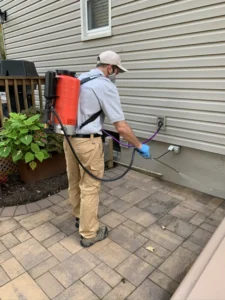
Large buildings have a pest profile all their own. A school is not a house with more rooms. An office is not a retail store with fewer customers. A warehouse attached to a medical office behaves differently than either one by itself. When people look for Pest Control Services Warren County, that distinction matters. The right plan is not just about removing insects or rodents after a sighting. It is about understanding how people move through the property, where food and moisture collect, how maintenance gets scheduled, and what level of disruption a facility can tolerate.
That is why commercial and institutional pest control tends to reward experience over promises. In a single week, one technician might inspect a cafeteria loading area, respond to drain flies in a locker room, monitor mice activity near a copy paper storage room, and document a yellowjacket issue around a school athletic field. Each setting requires different timing, different communication, and different control measures. A one-size-fits-all approach usually shows up later as repeat service calls, frustrated staff, and avoidable costs.
What makes schools, offices, and shared facilities harder to protect
Residential work often starts with a narrow complaint. Someone hears scratching in the attic or sees ants in the kitchen. Commercial properties are more layered. The reported pest issue is frequently only the visible part of a larger pattern.
Schools are a good example. Young children drop food, janitorial teams work on a fixed route, teachers may keep snacks in desks, and custodial closets can stay damp for long stretches if ventilation is poor. Add after-hours sports, summer programs, and Pest Control Services Warren County deliveries through multiple entry points, and a simple ant problem can become a recurring issue spread across wings of the building.
Offices have their own blind spots. Break rooms get attention because people use them every day, but pests are just as likely to settle in a quiet file room, an IT closet that stays warm, or a utility chase behind a restroom wall. In buildings with mixed tenants, responsibility can also get muddy. One suite may maintain excellent sanitation while a neighboring tenant leaves overflowing trash overnight. Pests do not care which side of the lease line they are on.
Multi-use facilities, including municipal buildings, churches, community centers, and medical-adjacent properties, bring another layer of complexity. Their schedules shift. One evening there may be a packed event with food service, the next morning a quiet office routine, and by the weekend a maintenance closure. Pest pressure follows use patterns, not business cards.
In Warren County, seasonal change adds pressure. Rodents seek warmth when temperatures drop. Ants intensify foraging in spring and early summer. Stinging insects become a liability during outdoor events and school activities. Moisture-loving pests can spike after prolonged wet weather or plumbing problems. Good service plans adapt to these cycles instead of treating every month as identical.
The cost of waiting until someone spots a pest
By the time an employee reports droppings under a sink or a teacher notices roaches in a cabinet, the problem is rarely new. Pests usually establish themselves quietly. Rodents travel hidden edges. Roaches stay tight to voids and equipment. Flies build around Pest Control Services Warren County drains, leaks, or organic residue that has been accumulating for weeks.
Waiting has three consequences. First, treatment becomes more involved. It is one thing to close a few small mouse entry gaps and reset exterior sanitation practices. It is another to chase established activity through wall voids, suspended ceilings, and storage rooms after months of access. Second, response costs climb. Emergency visits, extra monitoring, and staff coordination all add up. Third, the reputational risk grows. In a school or office, one pest sighting can travel through parents, employees, and social media faster than the actual issue can be explained.
I have seen facilities spend several months trying to manage a problem informally. Someone buys traps at a hardware store, a cleaner sprays around baseboards, maintenance seals a few obvious gaps, and everyone hopes the issue settles down. Sometimes that reduces visible activity for a short period. More often it delays the real work, which is finding the source, documenting pressure points, and setting controls that fit the building.
Why integrated pest management works better in occupied buildings
The most effective commercial programs are built around integrated pest management, often shortened to IPM. That phrase gets used loosely, but in practice it means pest control is not just chemical application. It is inspection, exclusion, sanitation, monitoring, targeted treatment, and follow-up, all tied to the realities of the property.
In a school, for instance, an IPM-minded technician does not just treat where ants appear. They look at sink seals, classroom snack storage, custodial mop drying practices, window frame gaps, and outdoor vegetation touching the structure. If a nurse’s office has occasional ant sightings every spring, the fix may include sealing a conduit penetration and trimming back a shrub line that creates a bridge to the wall. The treatment matters, but the correction often matters more.
In offices, IPM can reduce disruptions because the service is more precise. Instead of broad interior applications that interfere with occupants or cleaning schedules, a technician can rely on monitoring devices, crack-and-crevice treatment where appropriate, exclusion around utility penetrations, and recommendations for trash handling or food storage. That balance is especially important in facilities with sensitive populations, strict safety requirements, or public visibility.
A solid provider offering Pest Control Services Warren County should be able to explain not only what they are treating, but why the condition exists and what the building can do to support control. That conversation is usually a good sign. Vague assurances are not.
The pests that cause the most trouble in institutional settings
Not every pest creates the same level of operational risk. Some are mainly a nuisance. Others affect health perceptions, damage materials, trigger inspections, or create liability concerns.
Rodents tend to rise quickly to the top because they chew, contaminate, and reproduce fast enough to turn a manageable problem into a building-wide one. In schools and office complexes, mice are more common than rats inside the structure, although exterior rat pressure can matter around dumpsters, storm drains, and older utility corridors. Mice can fit through openings that look too small to matter, roughly the width of a pencil in some cases, so buildings that appear tight can still have active travel routes.
Cockroaches carry a different kind of pressure. Even a single sighting in a break room or kitchen-adjacent space tends to alarm occupants, and for good reason. Roaches thrive where heat, moisture, and hidden harborage come together. Commercial coffee stations, vending areas, refrigerator compressor spaces, and plumbing wall voids are common problem spots. In some facilities, it is not the main kitchen that drives the issue, but a small neglected prep area or an old employee lounge no one thinks to inspect closely.
Ants are often underestimated because they seem minor compared with rodents or roaches. Yet in schools and offices, they can become a chronic source of complaints, especially in spring and summer. The difficulty is that many ant issues are not random. They track moisture, shifting weather, and subtle access points. If the service response focuses only on the visible trail and misses the colony pressure around the building envelope, the problem returns.
Flies create another challenge because they point to a source that must be corrected. Drain flies suggest organic buildup and moisture. Fruit flies usually indicate fermenting residue somewhere in food handling or disposal pathways. Cluster flies and occasional invaders may reflect seasonal entry. Identifying the fly type matters. Treating all flying insects as the same problem wastes time.
Stinging insects become especially important at schools, parks, churches, and facilities that host outdoor gatherings. Ground-nesting yellowjackets near play areas or building entries can turn into a real safety issue, particularly where children or allergy-sensitive individuals are involved. A hasty response can make the situation worse. Proper timing and species identification matter.
Areas that deserve extra attention during routine service
The buildings that stay ahead of pest issues tend to inspect the same overlooked spaces again and again. Problems often start in the margins, not in the center of a room.
Here are the places I would never ignore in a school, office, or public facility:
- receiving and dumpster areas, especially where doors stay propped open during deliveries
- break rooms, vending zones, and under-sink cabinets with hidden moisture
- utility penetrations around pipes, conduit, and data lines
- storage rooms filled with cardboard, paper goods, or long-undisturbed supplies
- floor drains, mop sinks, and janitorial closets that remain damp between cleanings
None of these areas are surprising on paper. The challenge is consistency. Staff turnover, changing schedules, and competing priorities mean conditions drift. A back door sweep wears down. Someone begins storing snacks in a classroom cabinet. A leak gets repaired, but the damp wall void behind it remains attractive for weeks. Good commercial pest service accounts for these ordinary slippages.
Schools need more than treatment, they need communication discipline
Schools are among the most sensitive environments to service well because the audience is large and the stakes are public. Teachers, administrators, facilities staff, parents, and sometimes local boards all have a different angle on the same issue. One of the best indicators of a strong pest control program in a school is not how often it treats, but how clearly it communicates.
That starts with documentation. Sightings should be logged with location, time, and context. “Saw bugs in hallway” is not very useful. “Three small ants observed near west window of room 112 after rainstorm, no food present” is much more actionable. Over time, those details reveal patterns. Is the activity weather-related, sanitation-related, or tied to a structural gap? A technician who gets usable information can solve the problem faster.
Timing also matters. In schools, many inspections and corrective tasks are best done outside student traffic periods. That sounds obvious, but it affects everything from access to service routes. If a cafeteria can only be serviced after cleanup and before morning prep, the provider needs enough staffing discipline to hit that window reliably.
There is also a judgment component. I have seen schools overreact to occasional invaders that pose little ongoing risk, then underreact to low-level mouse evidence because the sightings were infrequent. A seasoned provider can separate background seasonal pressure from genuine infestation and help staff focus effort where it counts.
Offices often struggle with hidden food and unclear accountability
Office pest issues are rarely dramatic at first. They build through everyday habits. Someone keeps energy bars in a desk. Cleaning schedules vary by suite. A tenant stores marketing snacks in a supply closet that gets warm. An exterior side door latches poorly for months because it is used less often than the main entrance.
What makes office environments difficult is the division of responsibility. Property management may handle common areas and exterior conditions, while individual tenants control sanitation inside their suites. If there is no clear process for reporting and response, a pest problem can bounce back and forth between parties while activity grows.
A good service partner helps clarify that line. They document what belongs to the tenant, what belongs to building management, and what requires a coordinated fix. That practical clarity often matters more than the initial treatment.
Office buildings also benefit from discreet service. Employees generally do not want visible pest control activity in common areas during business hours unless there is an immediate need. That means providers have to rely on thoughtful placement of monitors, quiet inspection practices, and service notes that are detailed enough for management without causing unnecessary alarm among occupants.
Facilities management and pest control need to work as one team
The best commercial pest programs I have seen all share one trait. The pest control company is not treated like an emergency vendor. It is treated as part of the building operations network, alongside maintenance, cleaning, landscaping, and waste removal.
That relationship matters because pests exploit gaps between departments. Cleaning assumes maintenance will address the leak. Maintenance assumes custodial will remove the clutter. Landscaping piles mulch too high against the wall because no one mentioned ant pressure around that elevation line. Waste hauling changes pickup timing, and dumpsters begin overflowing on weekends. None of those issues belong only to pest control, but all of them affect pest activity.
Routine walkthroughs can be extremely valuable here. When a technician and facility contact walk the problem edges together, they see the same conditions at the same time. A door sweep with light showing beneath it. Vegetation touching second-floor siding. A floor drain that smells sour. A stack of unused boxes collecting dust near a warm mechanical room. Those observations are mundane, but solving them steadily is what reduces calls.
In Warren County, this is particularly useful for facilities with older construction. Older schools, churches, and municipal buildings often have more utility retrofits, more settling, and more patchwork repairs over the years. That does not make them unmanageable. It just means exclusion work and moisture control tend to deserve more attention than owners initially expect.
What a strong commercial pest service plan usually includes
A dependable service plan should feel specific to the property. If the proposal reads exactly the same for a preschool, a professional office suite, and a mixed-use public building, that is usually a sign the planning is too generic.
The strongest plans typically include regular inspection frequency, monitoring where appropriate, site-specific treatment protocols, clear reporting, and recommendations for structural or sanitation corrections. They should also explain response times for urgent issues. A yellowjacket nest at a school entry or active rodent sightings in a food area does not belong in the same service queue as a minor occasional invader issue in a storage annex.
When evaluating Pest Control Services Warren County, I would pay close attention to the quality of the inspection before the contract is signed. Many long-term frustrations can be traced back to rushed initial assessments. If the provider does not spend time asking about schedules, sanitation practices, recent sightings, deliveries, maintenance concerns, and high-sensitivity areas, the plan may look polished but perform poorly.
These are sensible questions to ask before choosing a provider:
- How do you adapt service for schools, offices, and multi-use public buildings rather than homes?
- What documentation will we receive after each visit, and will it include corrective recommendations?
- How do you handle urgent issues such as stinging insects, rodent sightings, or recurring break room activity?
- What parts of control depend on your service, and what parts depend on our staff or maintenance team?
- Who will service the account regularly, and how is continuity handled if that technician changes?
Those questions do more than screen for expertise. They also set expectations early, which prevents the most common service misunderstandings later.
Seasonal pressure in Warren County is real, and planning should reflect it
Pest pressure is not static throughout the year. In Warren County, spring often brings ant activity, occasional overwintering insect discoveries, and renewed exterior inspection needs after winter wear. Summer tends to increase fly pressure, stinging insect calls, and food-related issues around events, camps, and active outdoor spaces. Fall is the period when rodent exclusion becomes critical. Winter can expose the buildings that looked sealed but are not, especially around utility entries, roofline gaps, and loading areas.
That does not mean every month requires the same intensity indoors. It means the program should anticipate what is coming. Exterior baiting, monitoring, exclusion checks, sanitation reminders, and entry point inspections all have better results when done before pressure peaks. A lot of “emergency” pest work is really delayed preventive work.
I remember one office and training facility where mouse complaints rose every November, almost on schedule. Staff assumed the problem was unavoidable because the building backed up to a wooded area. During a more thorough inspection, we found several small utility penetrations near a lesser-used receiving corner, along with a habit of propping the door open during evening shipments. After sealing, door adjustment, and some changes in receiving practice, winter activity dropped sharply. The woods had not changed. The building had.
When low bids become expensive
Price matters, especially for schools and public facilities working within fixed budgets. But the lowest number on a proposal can cost more over a full year if the service lacks depth. Sparse inspections, limited communication, frequent technician turnover, and generic treatment routines often show up later as repeat issues and internal staff time spent chasing the same complaints.
The hidden cost is distraction. When administrators, office managers, or facilities directors have to repeatedly field pest concerns, coordinate re-visits, and reassure occupants, the service is already more expensive than it looks on paper. Effective commercial pest control saves money partly by reducing that operational drag.
That does not mean the most expensive provider is automatically the best. It means value should be judged by reliability, clarity, building knowledge, and measurable reduction in recurring issues. Good vendors can explain where the effort goes and why.
A cleaner building is not always a pest-free building
This point surprises some facility teams. Cleanliness helps enormously, but it is not a cure-all. I have inspected spotless offices with rodent activity because of unsealed pipe chases. I have seen well-run schools with recurring ant issues tied to exterior landscaping and slab cracks, not poor housekeeping. I have also seen beautifully maintained facilities struggle with drain flies because a little-used floor drain had organic buildup no one realized was there.
Sanitation is foundational, but pests respond to shelter, water, warmth, and access just as much as crumbs. That is why the best pest control providers avoid blaming staff as their first explanation. Sometimes behavior is the issue. Sometimes the building itself is the issue. Most often, it is a mix of both.
The practical goal is not perfection. It is control. In occupied buildings with heavy daily use, especially schools and multi-use facilities, occasional pest pressure is normal. What separates a well-managed property from a problem property is how quickly patterns are identified, how thoroughly root causes are addressed, and how consistently the service plan gets carried out.
For schools, offices, and shared facilities, that discipline is what turns pest control from a reaction into a system. And when you are evaluating Pest Control Services Warren County, that is the standard worth using. Not just whether a provider can treat a problem, but whether they can help your building stay ahead of the next one.
Affordable Pest Solutions LLC
Budd Lake, NJ 07828 (service-area business)
Serving Warren, Morris and Sussex Counties, New Jersey
Phone: +1 973-229-9547
FAQ About Pest Control Services Warren County
How much does pest control cost in NJ?
The cost depends on the pest, the size of the property, the extent of activity and whether follow-up visits are needed. Ask for an inspection and a written estimate that explains the treatment scope and any ongoing service charges. Affordable Pest Solutions offers free estimates for properties in its service area.
What are the most common household bugs in New Jersey?
Ants, cockroaches, stink bugs and spiders are among the pests that residents may encounter in New Jersey homes. Activity varies by season, moisture conditions and available entry points. Correct identification helps determine whether exclusion, sanitation, monitoring or professional treatment is appropriate.
What kind of bugs infest homes?
Ants, cockroaches and termites can establish persistent activity in or around homes. The signs and appropriate response differ by pest: trails, droppings, shed wings or damaged wood may warrant closer inspection. A pest professional can identify the cause and recommend a plan suited to the property.